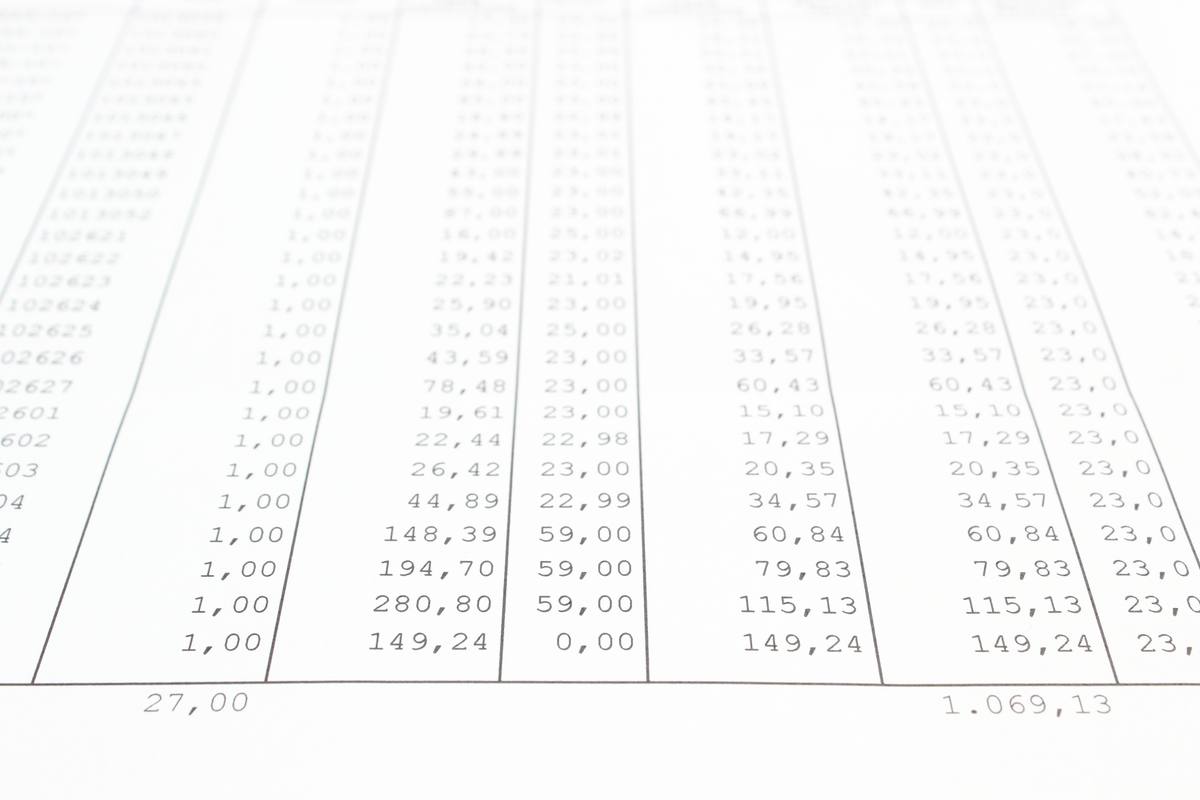
The general ledger is the master record of every dollar that moves through your business, and it is the single source that every report you rely on is built from.
What is a general ledger?
A general ledger (often just “the GL”) is the complete, organized record of all your financial transactions, sorted by account. Every sale, every expense, every transfer, and every payment lives in it. If you want to know how much you have spent on software this year or how much cash has flowed through your checking account, the answer comes from the ledger.
Think of it as the master book. Your reports, the profit and loss statement and the balance sheet, are just different views of the same underlying ledger, summarized and arranged for a purpose. Nothing appears on a report that is not first recorded in the ledger.
How the ledger relates to journals, accounts, and the trial balance
These terms trip people up, so here is how they fit together:
- A journal entry is the record of a single transaction as it happens, in date order. “On July 3, paid $120 for internet.” It captures the event.
- An account is a bucket for one kind of thing: your checking account, your rent expense, your sales revenue. Your full list of buckets is the chart of accounts.
- The general ledger is what you get when every journal entry is sorted into its accounts. The journal is chronological, the ledger is organized by account.
- The trial balance is a summary that lists the ending balance of every account in the ledger at a point in time, used to check that everything ties out.
So the flow is simple: you record a transaction, it posts to accounts in the ledger, and reports are drawn from those account balances.
How a transaction flows from journal to reports
Follow one $120 internet bill through the system. Because bookkeeping is double-entry, the transaction touches two accounts at once:
Journal entry (July 3):
  Internet Expense   +120   (debit)
  Checking Account   -120   (credit)

→ Ledger: Internet Expense and Checking each updated
→ Trial balance: both new balances roll up
→ P&L: the 120 appears under operating expenses
→ Balance sheet: checking is 120 lower
One entry, recorded once, flows all the way to every report automatically. You never retype it. That is the efficiency the ledger gives you, and it is why keeping the ledger accurate matters more than fussing with any individual report.
Why an immutable ledger matters
Here is a principle that separates trustworthy books from messy ones: a good ledger is never edited or deleted. When you make a mistake, you do not reach back and change the original entry. You post a correcting entry, called a reversal, that offsets it, and both entries stay on the record.
This feels like extra work until you need to trust your own numbers. An immutable ledger means:
- A clean audit trail. Anyone, including a future you or an accountant, can see what happened and how it was corrected, with dates intact.
- No silent changes. A number cannot quietly shift after the fact. If it moved, there is an entry explaining why.
- Reliable history. Reports you ran last quarter still reconcile, because the past was never rewritten.
This is exactly why editing a transaction in some tools is risky: it can rewrite history and quietly break a report you already relied on. Corrections as reversals keep the story honest.
General ledger versus subledger
As a business grows, some accounts get busy enough to deserve their own detailed book, called a subledger. A subledger holds the line-by-line detail for one area, and only its total flows up into the general ledger.
For example, an accounts receivable subledger might track what each individual customer owes, while the general ledger just carries the single combined “accounts receivable” balance. The subledger is the detail, the general ledger is the summary. Most small businesses run fine on the general ledger alone and only add subledgers when the volume in one area calls for it.
How LedgerMCP treats the ledger
In LedgerMCP the general ledger is the single source of truth, enforced in the database itself. Every entry must balance, postings are immutable, and corrections happen as linked reversals rather than edits or deletes, so the audit trail is always intact. Because balances are computed from the postings rather than stored and hoped to be right, every number on every report has a drill-down register behind it: click any figure and read the exact ledger entries that produced it. Whether you enter transactions by hand or let a connected AI assistant do the bookkeeping through the tools, it literally cannot leave the ledger out of balance, and you can reverse anything with one click.
Quick answers
What is the difference between a ledger and a journal?
The journal records transactions in date order as they happen. The ledger organizes those same transactions by account. The journal is the diary, the ledger is the sorted master record.
What is the difference between the general ledger and a trial balance?
The general ledger holds every transaction in full detail. The trial balance is a short summary listing just the ending balance of each account, used to confirm the books tie out.
Can I edit the general ledger?
You should not change or delete posted entries. Correct mistakes with a reversing entry so the original and the fix both stay on record. Good software enforces this for you so history cannot be quietly rewritten.
Do I need a general ledger for a small business?
Yes, though you may not think of it by name. Any real bookkeeping system, including free software, keeps a general ledger under the hood. It is what makes accurate reports and clean tax filing possible.